Laser, MIG or ARC: Choosing the Right Welding Process
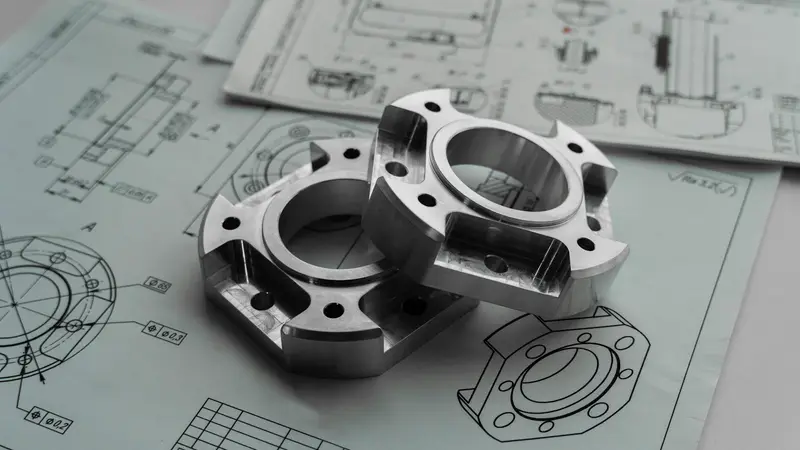
The right welding process depends on material, thickness and how the finished joint must look. We use three processes in our shop. Laser welding Best for thin sheet and visible stainless joints. The heat input is very low, so parts stay flat and need little grinding. MIG welding Our workhorse for frames, bases and medium-to-heavy fabrication. It is fast and gives strong, consistent joints. ARC welding Ideal for thick plate, structural sections and repairs, where deep penetration matters more than looks. Tell us what the part does and we will choose the process that gives the best result for the cost.
7 Design Tips for Sheet Metal Parts Made by CNC Bending
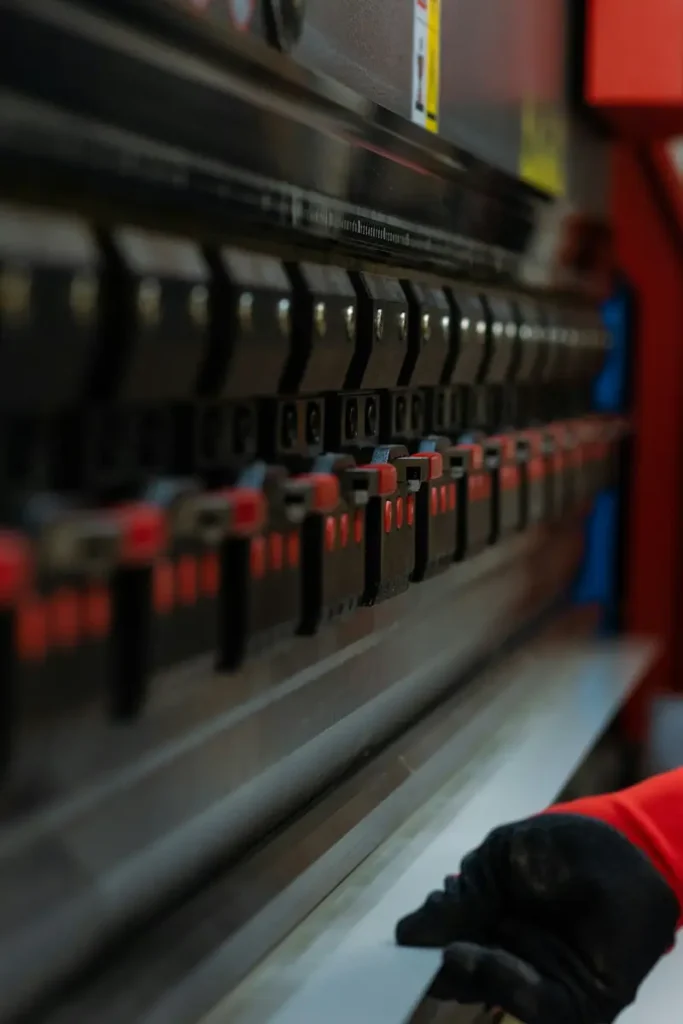
A good sheet metal design is easy to make, and parts that are easy to make cost less and arrive sooner. These seven tips come from the jobs we see every week on our CNC press brake. 1. Keep holes away from bend lines Holes too close to a bend stretch into ovals. Keep a distance of at least 2 to 3 times the sheet thickness from the bend. 2. Use a consistent inside radius One bend radius across the part means fewer tool changes and lower cost. 3. Respect minimum flange length Very short flanges cannot sit properly on the die. Ask us for the minimum for your thickness. 4. Add bend relief Small relief cuts where a bend meets an edge prevent tearing and bulging. 5. Think about grain direction For harder materials, bending across the grain reduces cracking. 6. Dimension from the right side Tell us whether dimensions are inside or outside. It changes the flat blank size. 7. Share the full 3D model if possible A STEP file lets us calculate bend allowance exactly, so the laser-cut blank folds to the right size first time. Because we cut and bend in-house, we adjust the flat pattern for our own tooling. You get accurate parts without trial and error.
Fiber Laser vs Plasma Cutting: Which Is Right for Your Job?
When you order cut metal parts, the cutting process decides how accurate the parts are, how much finishing they need and what they cost. The two most common options are fiber laser and plasma. How each process works A fiber laser focuses a very fine beam of light onto the sheet and melts a narrow line, while assist gas blows the molten metal away. Plasma uses an electric arc through ionised gas, which is hotter and wider. Quick comparison Factor Fiber laser Plasma Accuracy Very high Moderate Small holes Clean and round Often tapered Edge finish Smooth, little dross Needs grinding Thin sheet Excellent Risk of warping Very thick plate Limited Strong choice When to choose fiber laser Rule of thumb: if the part has fine detail or will be bent, laser cutting usually saves money overall because it removes finishing work. When plasma still makes sense For very thick plates and rough structural cuts where tolerance is less important, plasma can be economical. Not sure which suits your drawing? Send it to us on WhatsApp and our team will recommend the right process.